Financial Independence for Young Women: Teaching Money Management
Understanding the Basics of Financial Independence
Financial independence is a crucial goal for young women, offering the freedom to make life choices without being constrained by financial limitations. Achieving this independence requires a solid understanding of money management, a skill that can be developed with time and dedication.
At its core, financial independence involves earning enough income to cover your living expenses without relying on others. This can be achieved through a combination of smart budgeting, saving, investing, and managing debt effectively.
Budgeting: The Foundation of Financial Freedom
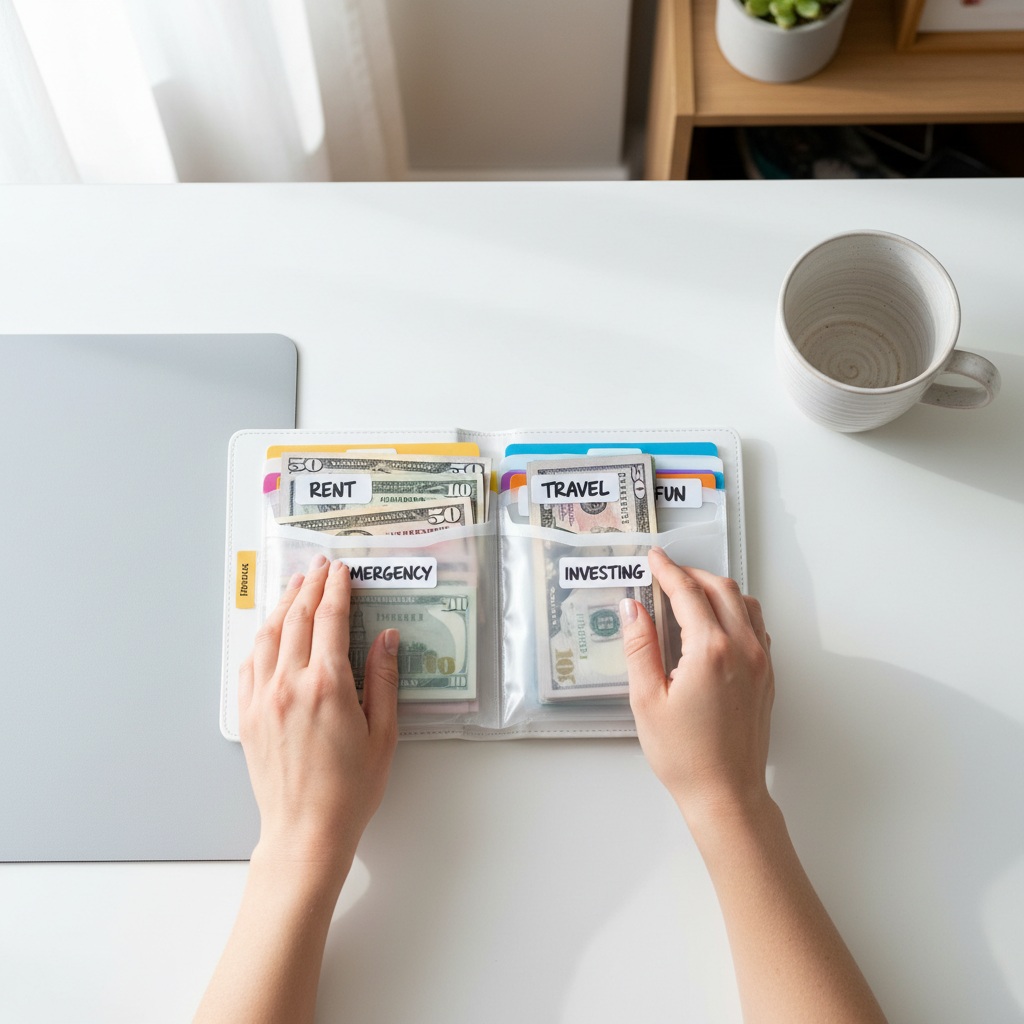
Creating a budget is the first step toward financial independence. A budget helps track income and expenses, ensuring you live within your means. Start by listing your sources of income and all monthly expenses, including rent, utilities, groceries, and entertainment.
Once you have a clear picture of your financial situation, identify areas where you can cut costs. This might involve dining out less often or canceling unused subscriptions. The key is to allocate funds wisely, prioritizing savings and essential expenses.
Building a Savings Plan
Saving money is an integral part of financial independence. Aim to set aside a portion of your income each month, ideally around 20%, into a savings account. This money can serve as an emergency fund or be used for future investments.
Consider opening a high-yield savings account to maximize your savings potential. Automating your savings can also help ensure consistency, making it easier to reach your financial goals over time.

Investing: Growing Your Wealth
Investing is a powerful tool for building wealth and achieving financial independence. Educate yourself about different investment options, such as stocks, bonds, and mutual funds, to determine which aligns with your risk tolerance and financial goals.
Start small by investing in low-cost index funds or exchange-traded funds (ETFs). As you become more comfortable, diversify your portfolio to reduce risk and increase potential returns. Remember, the earlier you start investing, the more time your money has to grow.
Managing Debt Wisely
Debt can be a significant obstacle to financial independence. It's essential to manage and reduce debt to free up more of your income for saving and investing. Start by paying off high-interest debts, such as credit card balances, as quickly as possible.
Consider consolidating debts to secure a lower interest rate. Additionally, avoid accumulating new debt by living within your means and using credit responsibly.
Empowering Through Education and Resources
Continual education is vital for financial independence. Many resources are available, such as online courses, books, and financial workshops, to help you enhance your money management skills.
Join communities or forums where you can share experiences and gain insights from other women on the path to financial independence. Learning from others can provide valuable perspectives and motivation.
Setting and Achieving Financial Goals
Setting clear, achievable financial goals is crucial. Whether it's buying a home, starting a business, or retiring early, having a specific target can guide your financial decisions.
Break down larger goals into smaller, manageable steps. Celebrate milestones along the way to stay motivated and maintain a positive attitude towards your financial journey.

Conclusion: Taking Charge of Your Financial Future
Financial independence is an empowering journey that requires patience, discipline, and continuous learning. By mastering money management skills, young women can take control of their financial futures and unlock the freedom to pursue their dreams.
Start today by implementing these strategies, and remember that every step taken towards financial independence is a step towards a more secure and fulfilling life.